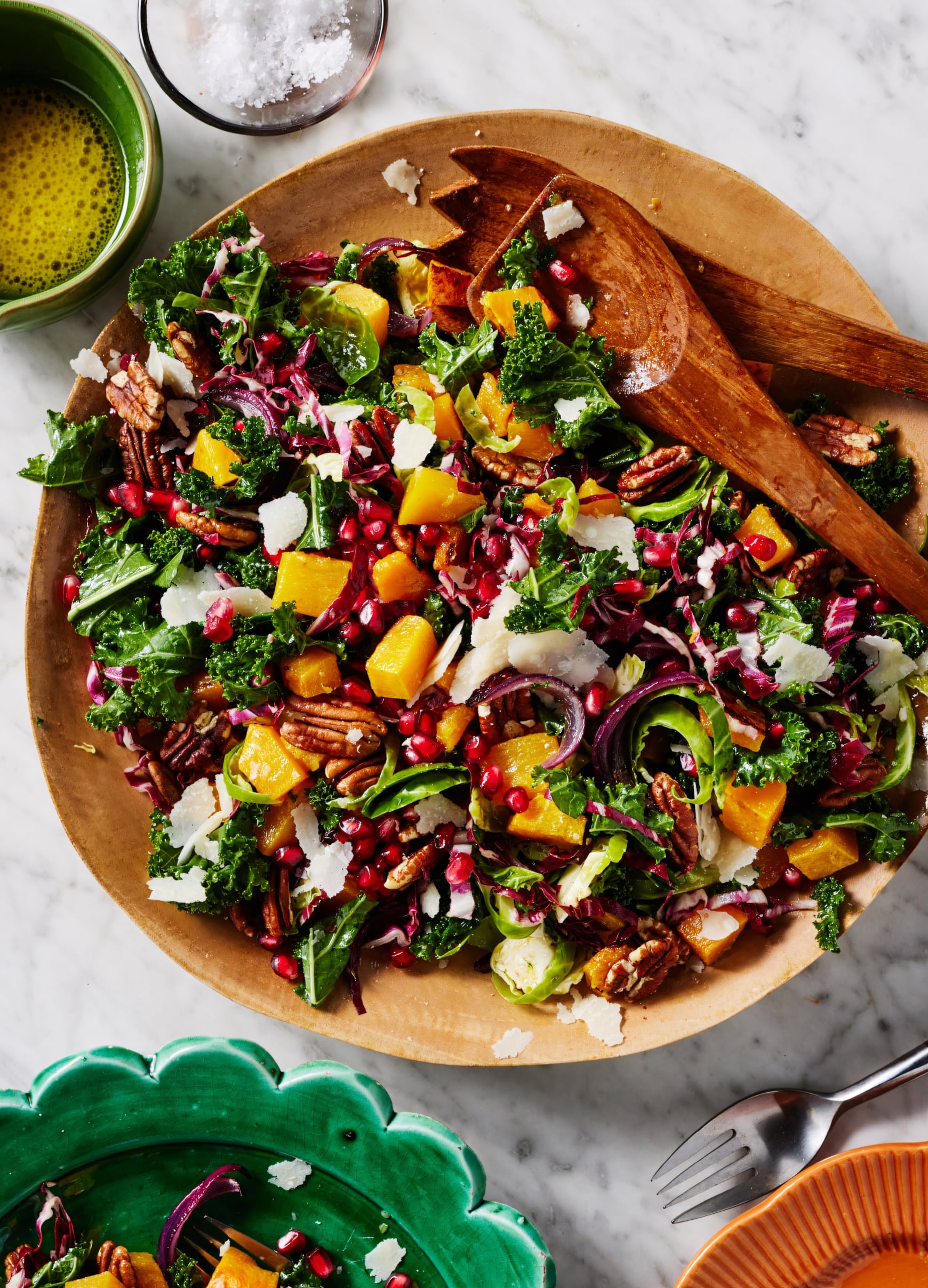
Beyond Summer: Why Hearty Winter Salads Are Your New Favorite Meal
When the days grow short and the air turns crisp, our minds often drift to warming stews, comforting casseroles, and rich roasts. The idea of a salad might seem out of place, a distant memory of sun-drenched summer meals. But what if we told you that winter salad season is not just a possibility, but a vibrant culinary adventure waiting to happen? Forget sad, limp lettuce; we're talking about robust, flavor-packed bowls that celebrate the season's unique bounty and bring a much-needed burst of color and freshness to cold-weather dining.
Far from being a mere side dish, a well-crafted winter salad can be a satisfying, hearty meal in itself, offering a delightful counterpoint to the heavier fare typical of the season. It’s an opportunity to embrace the “eat the rainbow” philosophy, even when the outdoor world is draped in monochrome.
The Seasonal Shift: Embracing Winter's Bounty
Just as spring brings asparagus and summer offers ripe tomatoes, winter has its own star performers. The secret to a truly spectacular winter salad lies in understanding and utilizing these peak-season ingredients. The shift from summer's delicate greens and sweet berries to winter's robust produce dictates an exciting change in our salad creations.
- Hearty Greens: This is the moment for sturdy players like kale, radicchio, endive, escarole, and even shaved Brussels sprouts or napa cabbage. Unlike their delicate summer counterparts, these greens possess a delightful bitterness and a resilient texture that stands up beautifully to thick, creamy dressings, warm components, and longer marinating times. They are the backbone of a satisfying winter salad.
- Earthy Root Vegetables & Squash: Roasting transforms humble root vegetables like beets, carrots, and parsnips, along with various squashes (butternut, acorn, delicata), into caramelized, sweet, and incredibly flavorful gems. Their natural sugars intensify with heat, adding a deep, grounding sweetness and a tender texture that makes any salad feel more substantial.
- Bright Citrus & Jewels: Winter is peak season for a glorious array of citrus fruits – think vibrant oranges, zesty grapefruits, and tangy clementines. Pomegranates burst with juicy, jewel-toned seeds, while crisp apples (like Honeycrisp) and ripe pears offer delightful sweetness and crunch. These fruits provide essential acidity, sweetness, and a crucial pop of color that brightens the entire dish, cutting through richer flavors.
- Nuts, Seeds & Cheeses: Toasted nuts (pecans, walnuts, almonds, pepitas) add a welcome crunch and healthy fats. Crumbly cheeses like blue cheese, goat cheese, or feta introduce a tangy, creamy, or salty element that elevates the flavor profile.
By thoughtfully combining these elements, you can create vibrant winter salads with seasonal produce that are anything but boring. They are hearty enough to chase away the chill, yet refreshing enough to prevent meal fatigue.
Beyond Leafy Greens: Building a Satisfying Winter Salad
The key to a truly satisfying winter salad is often found in its 'heft' – the elements that make it feel substantial enough to replace a full meal. This goes beyond just a bed of greens.
Elevating Satiety and Flavor:
- Proteins that Pack a Punch: To transform your salad into a complete meal, incorporate your favorite proteins. Grilled chicken tenders, thinly sliced flank steak, sautéed shrimp, smoked salmon, or even hearty hard-boiled eggs add significant staying power. For plant-based options, consider roasted chickpeas, lentils, or firm tofu.
- Warm Grains & Legumes: A scoop of warm, fluffy quinoa, farro, wild rice, or even Israeli couscous can transform a salad into a truly comforting and filling experience. Grains add complex carbohydrates, fiber, and a wonderful textural contrast. Similarly, cooked lentils or cannellini beans introduce protein and creaminess.
- The Magic of Warm Elements: Unlike summer salads, winter variations often embrace warmth. This could be roasted vegetables fresh from the oven, warm grains, or even a gently heated dressing. Imagine crispy bacon, warm caramelized shallots, or roasted broccoli florets infused with a warm vinaigrette. This subtle warmth makes the salad feel incredibly inviting on a cold day. One standout example from culinary experts is a brilliant broccoli salad featuring crispy bacon, roasted florets, crunchy toasted breadcrumbs, and Parmesan, all tossed with a dressing irresistibly infused with bacon drippings and brightened by pomegranate seeds.
- Crafting the Perfect Dressing: Homemade dressings are a game-changer. For winter salads, you can opt for thick, creamy concoctions (think tahini-based, yogurt-herb, or a rich blue cheese dressing) or bright, zippy vinaigrettes. A whole-lemon vinaigrette can bring a burst of fresh citrus to earthy greens, while a simple ginger dressing adds a pungent, warming note. Don't be afraid to infuse your dressings with unique flavors, such as the smoky heat of gochugaru or the umami depth of brown-butter bagna cauda with anchovies and porcini powder.
The interplay of these elements – warm and cool, crisp and tender, sweet and tangy, creamy and crunchy – creates a sensory experience that is rich, dynamic, and anything but bland. This thoughtful layering of textures and flavors ensures that each bite of your winter salad is as interesting as the last.
Crafting Your Perfect Winter Salad: Tips & Inspiration
Creating your ideal winter salad is an art form that blends seasonal awareness with personal preference. Here are some actionable tips and inspiring combinations to get you started:
- Embrace Roasting: This is your best friend for winter vegetables. Roasting brings out natural sweetness and a beautiful caramelization. Toss chopped squash, Brussels sprouts, or root vegetables with olive oil, salt, pepper, and perhaps a touch of maple syrup or balsamic glaze before roasting until tender and slightly browned.
- Think Contrast: A great salad offers a symphony of contrasts. Pair bitter greens (radicchio, endive) with sweet elements (roasted squash, apple, pear, pomegranate). Combine creamy textures (avocado, goat cheese) with crunchy ones (toasted nuts, croutons, crisp bacon).
- Don't Skimp on the Dressing: The dressing ties everything together. While store-bought options are convenient, a homemade vinaigrette or creamy dressing is often superior. A simple formula is 3 parts oil, 1 part acid (vinegar or citrus juice), plus seasonings. Experiment with different vinegars (balsamic, red wine, apple cider) and fresh herbs.
- Consider "Warm" Salads: These are especially welcome during colder months. They often feature warm roasted vegetables or grains, and sometimes even a lightly warmed dressing. The warmth adds a comforting dimension that feels perfect for winter.
- Explore Unique Greens: Keep an eye out for less common winter greens at farmers' markets. For instance, young Italian puntarelle, with its crisp, mildly bitter notes, makes an excellent base for sweet beets and tangy citrus. If unavailable, curly endive or frisée can be good substitutes.
- Prep Ahead: Many components of a winter salad can be prepared in advance. Roast your vegetables, cook your grains, toast your nuts, and make your dressing days ahead. Store them separately and assemble just before serving to maintain freshness and texture.
Inspiration from Top Chefs and Recipes:
- Combine hearty curly kale and shaved Brussels sprouts with crisp Honeycrisp apple slices, toasted pecans, and a vibrant whole-lemon vinaigrette for a refreshing yet substantial meal.
- Elevate spinach with creamy avocado, bitter grapefruit segments, a hint of sweet-and-smoky gochugaru, and robust sesame oil.
- For a uniquely savory option, try a French bistro-style salad featuring peppery baby greens, crispy bacon, rich smoked salmon, a perfectly boiled egg, and homemade garlic croutons, all dressed in a punchy Dijon vinaigrette with caramelized shallots.
- Experiment with Asian-inspired flavors, like napa cabbage and kale tossed in a simple ginger dressing, topped with puffed rice for an unexpected crunch.
- For an opulent touch, consider fresh Dungeness crabmeat alongside crisp, slightly bitter greens, thinly sliced pear, and sourdough croutons – a true showstopper for a special occasion.
The Health Benefits of a Winter Salad Habit
Beyond their undeniable deliciousness, incorporating hearty winter salads into your diet offers a plethora of health benefits. These vibrant bowls are typically packed with vitamins, minerals, and fiber, contributing to overall wellness during a season when immune systems might need an extra boost.
- Nutrient Density: Winter produce like kale, spinach, beets, and citrus are nutritional powerhouses, providing essential nutrients that help combat seasonal sluggishness.
- Digestive Health: The high fiber content from raw and roasted vegetables, grains, and legumes supports a healthy digestive system, offering a welcome balance to often heavier winter comfort foods.
- Hydration: Fresh fruits and vegetables contribute to your daily water intake, which is crucial even in colder months when we might not feel as thirsty.
- Weight Management: By incorporating lean proteins, healthy fats, and complex carbohydrates, winter salads can be incredibly satisfying and help with satiety, potentially aiding in healthy weight management without sacrificing flavor.
Conclusion
It's time to shed the notion that salads are exclusively a summer affair. The world of winter salad is rich, diverse, and waiting to be explored. From the earthy sweetness of roasted squash to the bright tang of citrus and the satisfying crunch of toasted nuts, these hearty, vibrant creations prove that eating fresh and flavorful doesn't have to end when the temperature drops. Embrace the magic of seasonal ingredients, experiment with new combinations, and discover how a well-crafted winter salad can become your new favorite meal, bringing warmth, color, and unparalleled flavor to even the coldest days.
